Feeding your dog: nutrition basics
Complete versus complementary food, how much to feed, switching foods safely, treats, and what to know about raw and home-made diets.
2 min read · 2 videos
A good diet is the foundation of a long, healthy life — and keeping your dog slim is one of the best things you can do for its joints and life expectancy.
Choose a "complete" food
Dog food labels say whether a food is complete (it provides everything your dog needs on its own) or complementary (it needs to be fed with something else). Make sure your dog's main diet is complete. Some wet foods and many treats are complementary.
Choose a food that matches your dog's life stage — puppy, adult or senior — and, for large breeds, size.
How much to feed
- Use the feeding guide on the pack as a starting point, not a rule.
- Weigh your dog's food rather than using a scoop.
- Feed for your dog's ideal weight, not its current weight.
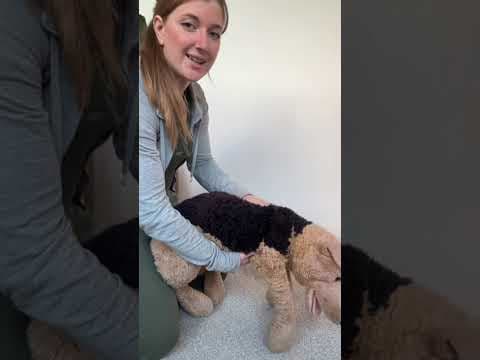
- Check your dog's body condition every few weeks: you should be able to feel the ribs easily under a thin layer of fat, and see a waist from above. Your vet can show you how.
Treats count
Treats, chews and table scraps all add calories. If your dog gets lots of treats in training, reduce its meals a little. Use pieces of its daily food as rewards where you can.
Switching foods safely
Change gradually over about a week to avoid stomach upsets:
- Days 1–2: 25% new food, 75% old
- Days 3–4: 50% / 50%
- Days 5–6: 75% new, 25% old
- Day 7: 100% new food
Raw and home-made diets
It's very difficult to make a balanced home-made diet without help from a veterinary nutritionist. Raw feeding also carries a risk of bacteria such as Salmonella and E. coli, which can spread to people — a particular concern in homes with young children, elderly or pregnant people, or anyone with a weakened immune system. If you choose to feed raw, talk to your vet and follow strict hygiene.
Water
Fresh, clean water must always be available — especially in a Greek summer. Take water on walks and car journeys.
Foods dogs must never eat
Chocolate, grapes and raisins, onions and garlic, macadamia nuts, xylitol (in sugar-free products), cooked bones and alcohol. See common pet poisons.
Older dogs
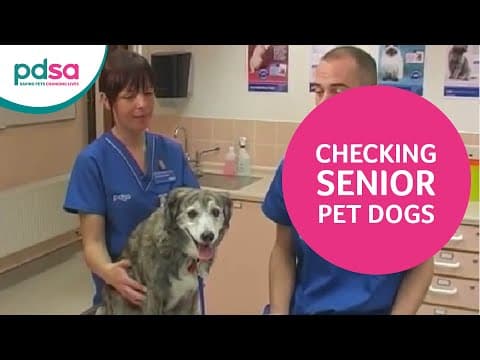
Older, less active dogs usually need fewer calories. Senior diets can help, and keeping an older dog lean reduces strain on arthritic joints. See caring for senior pets.
More videos
Sources & further reading
- Blue Cross — feeding your dog
- World Small Animal Veterinary Association (WSAVA) — global nutrition guidelines
This guide is general information and not a substitute for advice from your vet. If your pet is unwell or injured, contact a vet immediately.