Fireworks and noise fear: keeping pets calm
New Year and Easter fireworks frighten many dogs and cats. How to prepare, what to do on the night, and long-term help for noise phobia.
2 min read · 2 videos
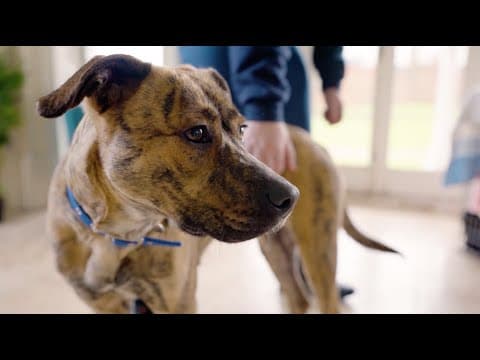
Around four in ten dog owners and three in ten cat owners say their pet is afraid of fireworks. In Greece the big nights are New Year's Eve and Easter Saturday, when fireworks and firecrackers go on late into the night — but thunderstorms, celebrations and building work can frighten pets too.
Prepare before the season
- Check microchip details are up to date. Frightened pets bolt, and fireworks nights see a spike in lost animals.
- Find out the dates and times of local celebrations.
- Create a den: a covered crate, a space under a bed or a quiet cupboard, with familiar bedding. Let your pet get used to it beforehand.
- Fit curtains or blinds so you can block out flashes.
- For severe fear, see your vet weeks in advance — there are effective medicines and behaviour referrals.
On the night
- Walk dogs in daylight, before the fireworks start, and keep them on a lead.
- Bring cats inside before dark and lock the cat flap. Provide a litter tray.
- Close windows and curtains and leave lights on.
- Play music, the TV or white noise to mask the bangs.
- Let your pet hide — never drag it out of its den.
- It's fine to calmly comfort a pet that comes to you. Never punish fearful behaviour; it makes fear worse.
- Stay calm and act normally — pets take cues from you.
Rabbits and small pets
Bring hutches indoors if you can (a quiet room or garage), or turn them to face a wall. Partly cover cages, keeping good ventilation, and add extra bedding to burrow into.
Long-term help
Noise phobias tend to get worse each year without treatment. Desensitisation — playing recordings of fireworks at very low volume while your pet is relaxed and doing something enjoyable, then slowly increasing the volume over weeks — can make a big difference. Start several months before the season. With puppies, gentle exposure to sounds during the socialisation period (4–12 weeks) helps prevent fears forming.
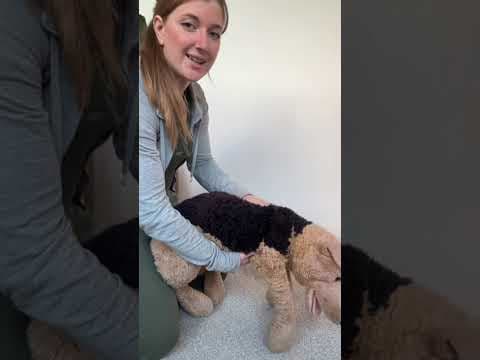
Pheromone diffusers and snug-fitting anxiety vests help some animals.
Sudden new fear?
If an older pet suddenly becomes afraid of noises, it may be in pain — for example from arthritis — so ask your vet for a check-up.
More videos
Sources & further reading
- PDSA (People's Dispensary for Sick Animals) — dogs and fireworks
- PDSA (People's Dispensary for Sick Animals) — cats and fireworks
- Blue Cross — fireworks and pets
- PDSA (People's Dispensary for Sick Animals) — noise phobias in dogs
This guide is general information and not a substitute for advice from your vet. If your pet is unwell or injured, contact a vet immediately.