Bleeding and bandaging: first aid for cuts and wounds
How to stop bleeding with direct pressure, when a tourniquet is appropriate, how to put on a temporary paw bandage, and the signs of internal bleeding.
2 min read · 2 videos
Cut paws from glass or sharp rocks, torn dew claws and bite wounds are everyday injuries for active pets. Most bleeding can be controlled with calm, firm pressure while you get to a vet.
Stay safe
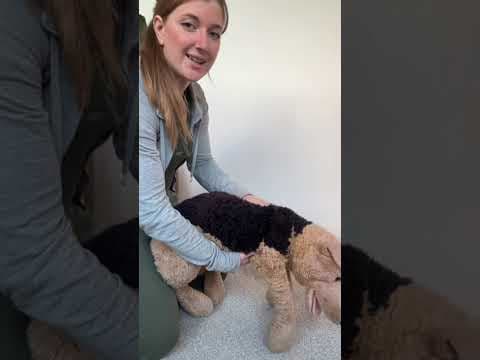
Even the gentlest pet may bite when it's hurt and frightened. Approach slowly and speak calmly. For a dog, use a muzzle or a soft tie looped round the nose if needed (never if it is vomiting or struggling to breathe). For a cat, wrap it in a towel.
Stop the bleeding: direct pressure
- Press a clean pad, dressing or folded cloth firmly on the wound.
- Hold it there — at least five minutes without peeking.
- If blood soaks through, add more layers on top. Don't lift the first pad off; that pulls away the clot that's forming.
- If you can, raise the injured leg slightly while pressing.
What about tourniquets?
A tourniquet is a last resort. Veterinary first-aid guidelines published in 2026 recommend one only for severe bleeding from a limb that direct pressure can't control, and only if you can apply it without being badly bitten. If you use one, note the time it went on and tell the vet.
Putting on a temporary paw or leg bandage
A bandage holds a dressing in place on the way to the vet — it isn't a treatment in itself.
- Put a non-stick dressing directly over the wound.
- Add a layer of padding (cotton wool or bandage padding), wrapping from the toes upwards. Put a little padding between the toes.
- Cover with a conforming bandage, overlapping each turn by about half.
- Finish with a self-adhesive (cohesive) bandage. It should be firm but not tight.
Check the toes every hour. If they become cold, swollen or the pet seems distressed, loosen the bandage. A bandage that's too tight or left on too long can cut off circulation.
Signs of internal bleeding
After a road accident, fall or kick, a pet may be bleeding inside without any visible wound. Call the vet immediately if you notice:
- Weakness or collapse
- Pale or white gums
- Cold ears, feet or tail
- Fast breathing or difficulty breathing
- A swollen belly or bruising
Always see the vet
Even a small cut may need cleaning, stitches, antibiotics or pain relief. Bite wounds in particular often look minor on the surface but hide deep damage underneath.
More videos
Sources & further reading
- PDSA (People's Dispensary for Sick Animals) — first aid for bleeding
- RECOVER Initiative / Journal of Veterinary Emergency and Critical Care (2026)
- Blue Cross — basic first aid for dogs
- PDSA (People's Dispensary for Sick Animals) — first aid for cuts and grazes
This guide is general information and not a substitute for advice from your vet. If your pet is unwell or injured, contact a vet immediately.