CPR for dogs: a step-by-step guide
When to start CPR, where to put your hands for different chest shapes, and the 30:2 rhythm recommended by veterinary emergency specialists.
2 min read · 2 videos
CPR (cardiopulmonary resuscitation) keeps blood and oxygen moving when a dog's heart has stopped. It is hard work and success rates are low, even in hospital — but for a healthy dog whose heart has stopped after drowning, electrocution or choking, starting CPR straight away gives it the best chance.
Only perform CPR on a dog that is unconscious, not breathing and has no heartbeat. Chest compressions on a dog whose heart is beating can cause serious harm.
1. Check — quickly
- Danger: make sure you are safe (traffic, water, electricity).
- Response: call the dog's name and touch it. No response?
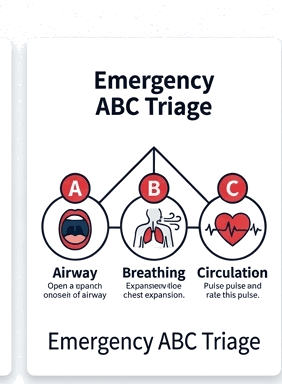
- Airway: open the mouth, pull the tongue forward and look for anything blocking the throat.
- Breathing: watch the chest for up to ten seconds.
- Heartbeat: feel the left side of the chest where the elbow touches it, or the femoral pulse on the inside of the upper thigh.
If there's no breathing and no heartbeat, start CPR now and get someone to phone the emergency vet.
2. Hand position depends on chest shape
- Most dogs: lay the dog on its side. Place your hands, one on top of the other, over the widest part of the chest.
- Deep, narrow-chested dogs (Greyhounds, Dobermanns, Great Danes): compress directly over the heart, just behind the elbow.
- Barrel-chested dogs (Bulldogs, Pugs): lay the dog on its back and compress the middle of the breastbone.
- Dogs under about 5 kg: wrap one hand round the chest and squeeze with your thumb on one side and fingers on the other.
3. Compressions
- Lock your elbows and use your body weight, not your arms.
- Push down one-third to one-half of the chest's width.
- Let the chest fully spring back between compressions.
- Go fast: 100–120 per minute — about two per second, the beat of Staying Alive.
4. Breaths: 30 compressions, then 2 breaths
After every 30 compressions, give two rescue breaths, taking no more than five seconds:
- Close the dog's mouth with your hand.
- Extend the neck so the nose lines up with the spine.
- Seal your mouth over the nostrils and blow until you see the chest rise.
Then go straight back to compressions.
5. Keep going
Work in two-minute cycles, checking for a heartbeat between cycles. If there's another person, swap every cycle — compressions get weaker as you tire. Continue CPR on the way to the vet.
What to expect
Most dogs whose hearts stop do not survive, even with perfect CPR. Doing it gives your dog a chance it would not otherwise have — and every dog that is revived needs intensive veterinary care afterwards.
More videos
Sources & further reading
- PDSA (People's Dispensary for Sick Animals) — cpr for dogs and puppies
- RECOVER Initiative / J Vet Emerg Crit Care (2024)
- RECOVER Initiative / Journal of Veterinary Emergency and Critical Care (2026)
- RECOVER Initiative
This guide is general information and not a substitute for advice from your vet. If your pet is unwell or injured, contact a vet immediately.