Bringing home a new puppy: the first weeks
Puppy-proofing, feeding schedules, vaccinations and the all-important socialisation window — everything to get your new dog off to a great start.
2 min read · 2 videos
The first few weeks with a puppy shape the dog it will become. A little preparation makes the transition calmer for everyone.
Before the puppy arrives
Puppy-proof your home at puppy height:
- Hide or protect electrical cables.
- Lock away cleaning products, medicines and garden chemicals.
- Keep toxic foods out of reach: chocolate, grapes and raisins, onions and garlic, macadamia nuts, and anything with xylitol.
- Remove or fence off toxic plants such as lilies, yew, foxgloves, oleander and daffodil bulbs.
Shopping list: a bed or crate, food and water bowls, the same food the breeder or shelter uses, a collar and ID tag, a lead, chew toys, poo bags and puppy-safe cleaning spray.
Day one
- Take your puppy straight to its toilet spot when you get home, and praise it when it goes.
- Keep the first day quiet. Lots of visitors are overwhelming.
- Give it a cosy den to retreat to and let it sleep — puppies need 18–20 hours a day.
- Expect some crying at night. A warm bed near you for the first nights often helps.
Feeding
Keep feeding the same food for the first week or two, then switch gradually over seven days. A typical schedule:
- 6–12 weeks: four small meals a day
- 12–20 weeks: three meals a day
- From 20 weeks: two meals a day
Large and giant breeds may need a growth formula until around 18 months. Never give cow's milk — it upsets puppies' stomachs.
The socialisation window
Between roughly 4 and 12 weeks, puppies learn what's normal and safe. Positive, gentle experiences now prevent fear and behaviour problems later:
- Different people — including children, men with beards, people in hats
- Household sounds: the vacuum, washing machine, doorbell, traffic
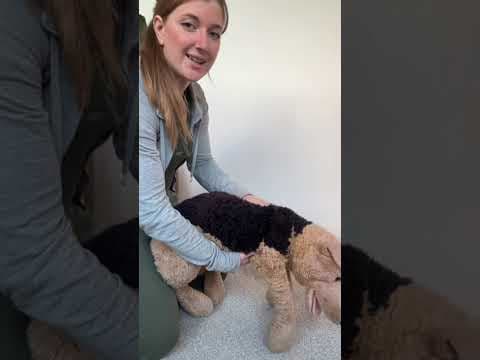
- Being handled: paws, ears, mouth (great practice for vet visits)
- Car journeys, other calm, vaccinated dogs, new surfaces
Carry your puppy to see the world before its vaccinations are complete, and enrol in puppy classes when your vet says it's safe.
Vet visits and vaccinations
- Register with a vet in the first few days for a health check.
- Puppy vaccinations usually start at 6–8 weeks, with a second dose 2–4 weeks later (sometimes a third). Full protection comes 2–4 weeks after the final dose. See our vaccination guide.
- Microchipping is required in Greece and across the EU — keep your contact details up to date.
- Set reminders for worming, flea, tick and sand fly protection — especially important in the Mediterranean (see our parasite guide).
More videos
Sources & further reading
- PDSA (People's Dispensary for Sick Animals) — new puppy checklist
- PDSA (People's Dispensary for Sick Animals) — puppy socialisation
- Battersea Dogs & Cats Home — bringing puppy home
- Blue Cross — feeding your dog
This guide is general information and not a substitute for advice from your vet. If your pet is unwell or injured, contact a vet immediately.