Vaccinations for dogs and cats: what they protect against and when
Core and optional vaccines, typical schedules for puppies, kittens and adults, rabies rules for travel, and the leishmaniosis vaccine for Mediterranean dogs.
2 min read · 2 videos
Vaccines protect pets against serious, often fatal diseases — and because most pets are vaccinated, outbreaks are rarer for everyone. Your vet will tailor a plan to your pet's age, lifestyle and where you live, but here's how it usually works.
Dogs
Core vaccines — recommended for every dog:
- Canine parvovirus — severe, often fatal gastroenteritis, especially in puppies
- Canine distemper
- Infectious canine hepatitis (adenovirus)
- Leptospirosis — a bacterial disease spread in water and by rats, which can also infect people
Depending on risk: kennel cough (for boarding, dog shows, daycare) and rabies (required for travel).
Schedule: puppies usually start at 6–8 weeks with two doses 2–4 weeks apart, sometimes three. Your vet may recommend a final puppy dose at 16 weeks or older. Protection is full 2–4 weeks after the last dose. Adults need a leptospirosis booster every year; parvovirus, distemper and hepatitis boosters are usually every three years after the first annual booster.
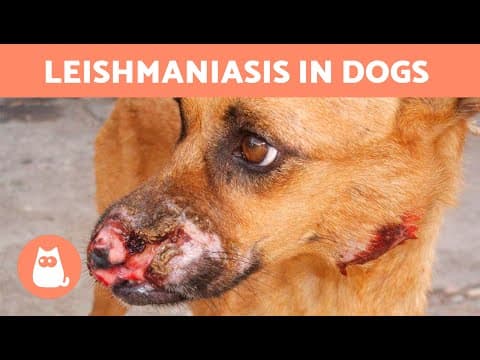
Leishmaniosis — a Mediterranean concern
In Greece and other Mediterranean countries, ask your vet about the canine leishmaniosis vaccine (LetiFend is the one licensed in the EU). It is an extra layer of protection that works alongside sand fly repellent collars or spot-ons — not a replacement for them. More in our parasite guide.
Cats
Core vaccines — recommended for every cat, including indoor cats:
- Cat flu (feline herpesvirus and calicivirus)
- Feline panleukopenia (feline infectious enteritis)
Depending on lifestyle: feline leukaemia virus (FeLV) for cats that go outdoors or live with cats that do; rabies for travel.
Schedule: kittens usually have two doses 3–4 weeks apart (often at 9 and 12 weeks), a first booster a year later, then boosters every 1–3 years depending on the vaccine.
Rabies and travel in the EU
To travel between EU countries, dogs, cats and ferrets need a rabies vaccination:
- given after microchipping
- at 12 weeks of age or older
- valid from 21 days after the first dose
Keep boosters up to date — if one lapses, the 21-day wait starts again. See travelling with pets in Europe.
What about titre tests?
A blood test can measure antibodies to some diseases and may help your vet decide when a booster is due. It isn't a permanent alternative to vaccination, and it doesn't cover every disease (leptospirosis immunity, for example, is short-lived).
Side effects
Most pets have no reaction, or are a bit quiet and sore for a day. Contact your vet if your pet has facial swelling, vomiting or breathing difficulty after a vaccine.
More videos
Sources & further reading
- PDSA (People's Dispensary for Sick Animals) — dog vaccines
- PDSA (People's Dispensary for Sick Animals) — cat and kitten vaccinations
- International Cat Care — vaccinating your cat
- World Small Animal Veterinary Association (WSAVA) — vaccination guidelines
This guide is general information and not a substitute for advice from your vet. If your pet is unwell or injured, contact a vet immediately.