Build a pet first-aid kit (and know how to use it)
A checklist of what to keep at home and in the car, the numbers to save in your phone, and the Dr ABC routine for any emergency.
2 min read · 2 videos
When something goes wrong, you won't have time to hunt for scissors or look up your vet's number. Ten minutes spent putting together a kit now can make a real difference later.
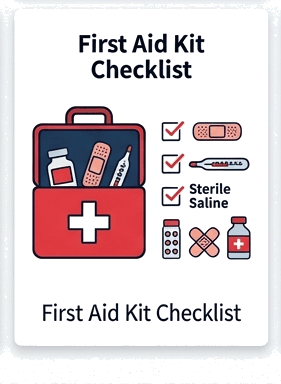
Your home kit checklist
- Bandages: non-stick dressings, conforming bandages, self-adhesive (cohesive) bandage
- Cotton wool or bandage padding
- Sterile saline or wound wash for flushing eyes and wounds
- Blunt-ended scissors
- Tweezers and a tick hook
- Antiseptic wipes
- Disposable gloves
- Self-adhesive tape
- A digital thermometer — essential for knowing when to stop cooling a dog with heatstroke
- A soft muzzle or a long strip of bandage, plus a towel for handling cats
- A foil blanket and an old blanket that can double as a stretcher
- A syringe (without a needle) for flushing a mouth or giving water
Keep everything in a waterproof box and check it twice a year.
Things not to keep
Don't stock hydrogen peroxide, salt or ipecac for making a pet vomit. Current veterinary first-aid guidance advises against inducing vomiting at home unless a vet or poison line tells you to.
Your travel kit
Put a smaller version in the car or a walking bag: dressings, a cohesive bandage, wound wash, tweezers, a tick hook, water and a bowl, and a slip lead.
Numbers to save now
- Your own vet
- Your nearest 24-hour emergency clinic — PET-ABC shows the nearest ones automatically
- An animal poison helpline, if one operates in your country
Always phone ahead so the clinic can prepare.
The "Dr ABC" routine
When you reach an injured pet, work through:
- Danger — is it safe for you to approach?
- Response — does the pet react to its name or a touch?
- Airway — is the mouth and throat clear?
- Breathing — is the chest moving?
- Circulation — is there a heartbeat? Is there major bleeding?
- … then send for help.
Practise while your pet is well
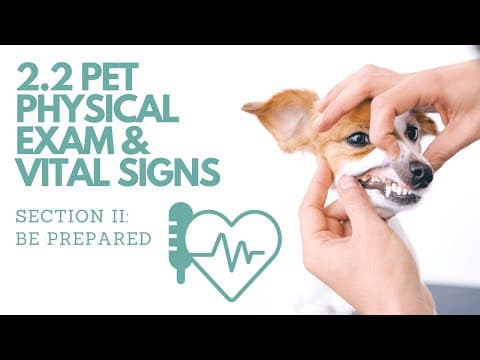
Learn where to feel your pet's pulse, what its normal gum colour looks like, and how it reacts to having its paws handled. Our guide to checking vital signs shows you how.
More videos
Sources & further reading
- PDSA (People's Dispensary for Sick Animals) — first aid for pets
- RECOVER Initiative / Journal of Veterinary Emergency and Critical Care (2026)
- Blue Cross — basic first aid for dogs
This guide is general information and not a substitute for advice from your vet. If your pet is unwell or injured, contact a vet immediately.